
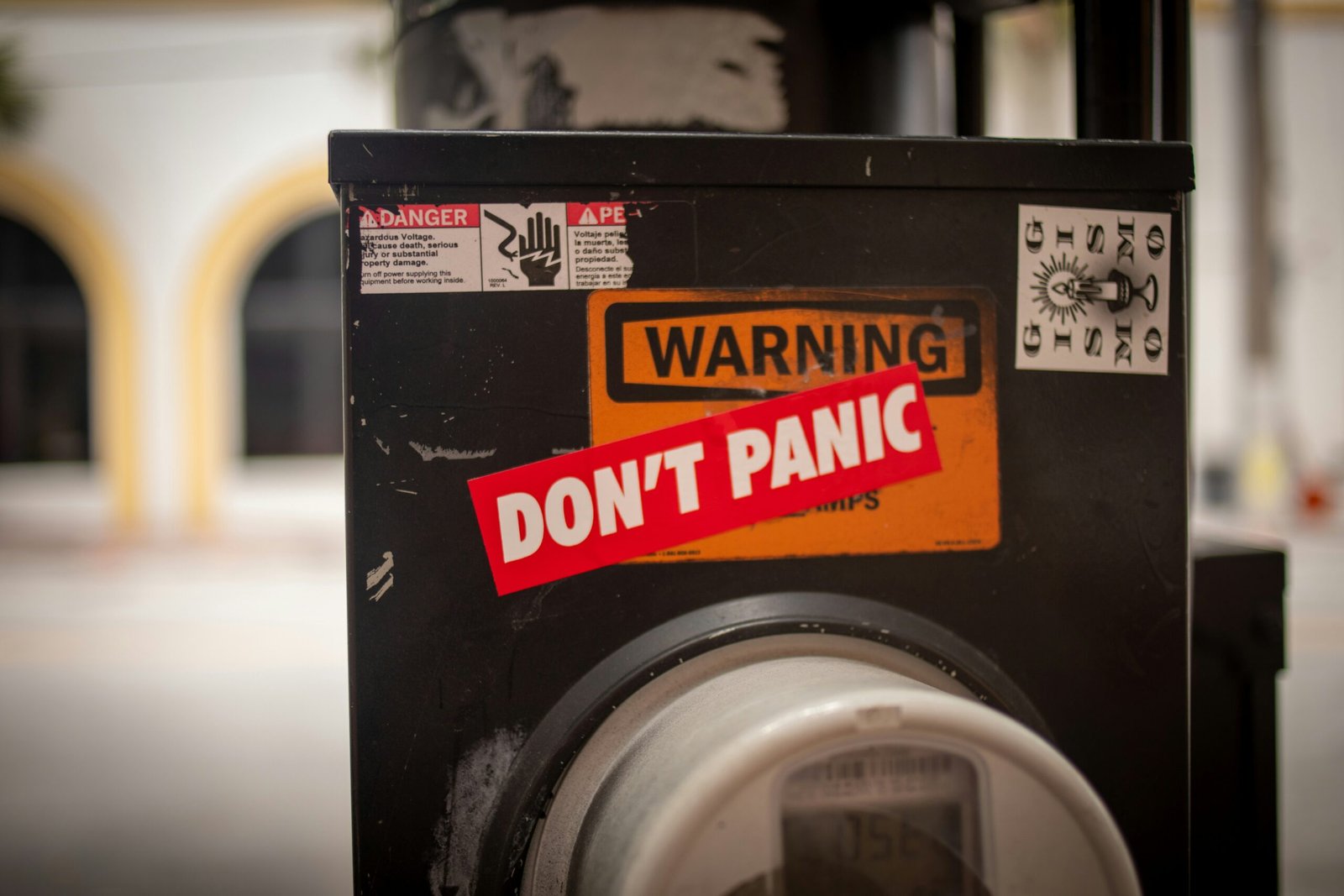
Dangerous goods documentation is a critical aspect of the transportation and handling of hazardous materials. This documentation serves as a means of communication between various stakeholders, including manufacturers, transporters, and regulatory authorities. It provides essential information about the nature of the goods, their potential hazards, and the necessary precautions for safe handling and transport. The importance of accurate and comprehensive documentation cannot be overstated, as it plays a vital role in ensuring safety and compliance with legal requirements.
In an increasingly globalized world, the movement of dangerous goods has become more prevalent. As industries expand and international trade flourishes, the need for standardized documentation practices has grown. This necessity is underscored by the fact that improper handling or miscommunication regarding dangerous goods can lead to catastrophic consequences, including environmental disasters, injuries, or even fatalities. Therefore, understanding the intricacies of dangerous goods documentation is essential for anyone involved in the supply chain of hazardous materials.
Common Mistakes in Dangerous Goods Documentation
One of the most prevalent mistakes in dangerous goods documentation is the failure to accurately classify the materials being transported. Misclassification can occur due to a lack of understanding of the specific properties of the goods or oversight in reviewing the relevant regulations. This error can lead to inappropriate handling procedures, which may endanger personnel and the environment. Additionally, incorrect classification can result in legal repercussions for companies that fail to comply with regulatory standards.
Another common mistake involves incomplete or inaccurate labeling on shipping containers. Labels must clearly indicate the nature of the hazardous materials contained within, including any associated risks. Inadequate labeling can confuse handlers and emergency responders, potentially leading to dangerous situations during transport or in the event of an accident. Furthermore, failure to include necessary documentation, such as safety data sheets (SDS), can exacerbate these issues, leaving individuals without critical information needed to manage emergencies effectively.
Importance of Accurate Dangerous Goods Documentation
Accurate dangerous goods documentation is paramount for several reasons. First and foremost, it ensures the safety of all individuals involved in the handling and transportation of hazardous materials. Proper documentation provides essential information about the risks associated with specific goods, enabling handlers to take appropriate precautions. This proactive approach minimizes the likelihood of accidents and injuries, fostering a safer working environment.
Moreover, accurate documentation is crucial for regulatory compliance. Governments and international organizations have established stringent guidelines for the transportation of dangerous goods to protect public health and the environment. Companies that fail to adhere to these regulations may face severe penalties, including fines and legal action. By maintaining accurate records and documentation, organizations can demonstrate their commitment to safety and compliance, thereby safeguarding their reputation and operational integrity.
Understanding Regulatory Requirements for Dangerous Goods Documentation
Navigating the regulatory landscape surrounding dangerous goods documentation can be complex. Various national and international regulations govern the classification, packaging, labeling, and transportation of hazardous materials. For instance, organizations must comply with regulations set forth by agencies such as the United Nations (UN), the International Air Transport Association (IATA), and the U.S. Department of Transportation (DOT). Each regulatory body has its own set of requirements that must be meticulously followed.
Understanding these regulations is essential for ensuring compliance and avoiding potential pitfalls. Companies must stay informed about changes in legislation and industry standards that may impact their operations. This requires ongoing education and training for employees involved in dangerous goods handling and documentation. By fostering a culture of compliance and awareness, organizations can better navigate the complexities of regulatory requirements and mitigate risks associated with dangerous goods.
Consequences of Inaccurate Dangerous Goods Documentation
The consequences of inaccurate dangerous goods documentation can be severe and far-reaching. One immediate impact is the increased risk of accidents during transportation or handling. Mislabeling or misclassifying hazardous materials can lead to improper handling procedures, resulting in spills, leaks, or explosions. Such incidents not only pose a threat to human safety but can also have devastating effects on the environment.
In addition to safety concerns, companies may face significant financial repercussions due to inaccurate documentation. Regulatory agencies often impose hefty fines on organizations that fail to comply with dangerous goods regulations. Furthermore, incidents resulting from poor documentation can lead to costly litigation and damage to a company’s reputation. The long-term effects of such incidents can hinder business operations and erode customer trust, making it imperative for organizations to prioritize accurate documentation practices.
Tips for Avoiding Dangerous Goods Documentation Mistakes
Please ensure you handle Dangerous goods with care by visiting https://yoursafetystore.asia.
To minimize mistakes in dangerous goods documentation, organizations should implement a systematic approach to training and education. Regular training sessions can help employees stay informed about current regulations and best practices for handling hazardous materials. Additionally, creating a culture of accountability encourages staff members to take ownership of their responsibilities regarding documentation accuracy.
Another effective strategy is to establish a comprehensive checklist for dangerous goods documentation processes. This checklist should outline all necessary steps, from classification to labeling and record-keeping. By following a standardized procedure, organizations can reduce the likelihood of errors and ensure that all required information is included in their documentation.
Training and Education for Proper Dangerous Goods Documentation
Training and education are fundamental components of effective dangerous goods documentation practices. Organizations should invest in ongoing training programs that cover not only regulatory requirements but also practical skills related to hazardous materials handling. This training should be tailored to different roles within the organization, ensuring that all employees understand their specific responsibilities regarding dangerous goods.
Moreover, fostering a culture of continuous learning can enhance employees’ awareness of potential risks associated with hazardous materials. Encouraging staff members to participate in workshops, seminars, or industry conferences can provide valuable insights into emerging trends and best practices in dangerous goods management. By prioritizing education, organizations can empower their workforce to make informed decisions that contribute to safety and compliance.
Technology and Tools for Streamlining Dangerous Goods Documentation
In today’s digital age, technology plays a pivotal role in streamlining dangerous goods documentation processes. Various software solutions are available that facilitate accurate classification, labeling, and record-keeping for hazardous materials. These tools often include features such as automated compliance checks, which help organizations ensure that their documentation meets regulatory standards.
Additionally, digital platforms enable real-time collaboration among stakeholders involved in the transportation of dangerous goods. This connectivity allows for seamless communication between manufacturers, transporters, and regulatory authorities, reducing the likelihood of miscommunication or errors in documentation. By leveraging technology effectively, organizations can enhance their efficiency while maintaining high standards for safety and compliance.
Best Practices for Handling Dangerous Goods Documentation
Implementing best practices for handling dangerous goods documentation is essential for ensuring safety and compliance. One key practice is to maintain thorough records of all transactions involving hazardous materials. This includes keeping detailed logs of shipments, including dates, quantities, and recipient information. Such records not only facilitate compliance with regulatory requirements but also provide valuable insights into inventory management.
Another best practice involves conducting regular audits of dangerous goods documentation processes. These audits should assess compliance with internal policies as well as external regulations. By identifying areas for improvement through audits, organizations can proactively address potential issues before they escalate into serious problems.
Case Studies of Dangerous Goods Documentation Errors
Examining case studies of dangerous goods documentation errors provides valuable lessons for organizations seeking to improve their practices. One notable example involved a shipping company that misclassified a shipment containing flammable materials as non-hazardous. This oversight led to a significant fire during transport, resulting in injuries and extensive property damage. The incident highlighted the critical importance of accurate classification and thorough training for employees involved in dangerous goods handling.
Another case study involved a manufacturer that failed to provide adequate safety data sheets (SDS) with its shipments of hazardous chemicals. When an accident occurred during handling due to a lack of information about proper safety measures, emergency responders were ill-equipped to manage the situation effectively. This incident underscored the necessity of comprehensive documentation that includes all relevant safety information.
Conclusion and Resources for Improving Dangerous Goods Documentation
In conclusion, dangerous goods documentation is an essential aspect of ensuring safety and compliance in the transportation and handling of hazardous materials. Organizations must prioritize accuracy in their documentation practices to mitigate risks associated with miscommunication or errors. By understanding regulatory requirements, investing in training and education, leveraging technology, and implementing best practices, companies can enhance their ability to manage dangerous goods effectively.
For those seeking resources to improve their dangerous goods documentation practices, numerous organizations offer guidance and support. The International Air Transport Association (IATA) provides comprehensive training programs on dangerous goods regulations, while the Occupational Safety and Health Administration (OSHA) offers resources related to workplace safety standards. Additionally, industry associations often publish best practice guidelines that can serve as valuable references for organizations striving to enhance their documentation processes. By utilizing these resources, companies can foster a culture of safety and compliance that benefits both their operations and the broader community.
FAQs
What are dangerous goods?
Dangerous goods are substances or materials that pose a risk to health, safety, property, or the environment. These can include chemicals, gases, flammable liquids, explosives, and radioactive materials.
Why is accurate documentation important for dangerous goods?
Accurate documentation is crucial for dangerous goods because it ensures that the proper handling, storage, and transportation procedures are followed. It also helps to prevent accidents, spills, and other incidents that could harm people or the environment.
What are some common mistakes in dangerous goods documentation?
Common mistakes in dangerous goods documentation include incorrect classification of the goods, incomplete or inaccurate information on shipping papers, improper labeling and marking, and failure to comply with regulations and requirements.
What are the consequences of making mistakes in dangerous goods documentation?
The consequences of making mistakes in dangerous goods documentation can be severe, including fines, legal penalties, delays in transportation, environmental damage, and potential harm to human health and safety.
How can companies avoid dangerous goods documentation mistakes?
Companies can avoid dangerous goods documentation mistakes by providing proper training to employees, staying updated on regulations and requirements, using reliable software and tools for documentation, and conducting regular audits and checks to ensure compliance.
