
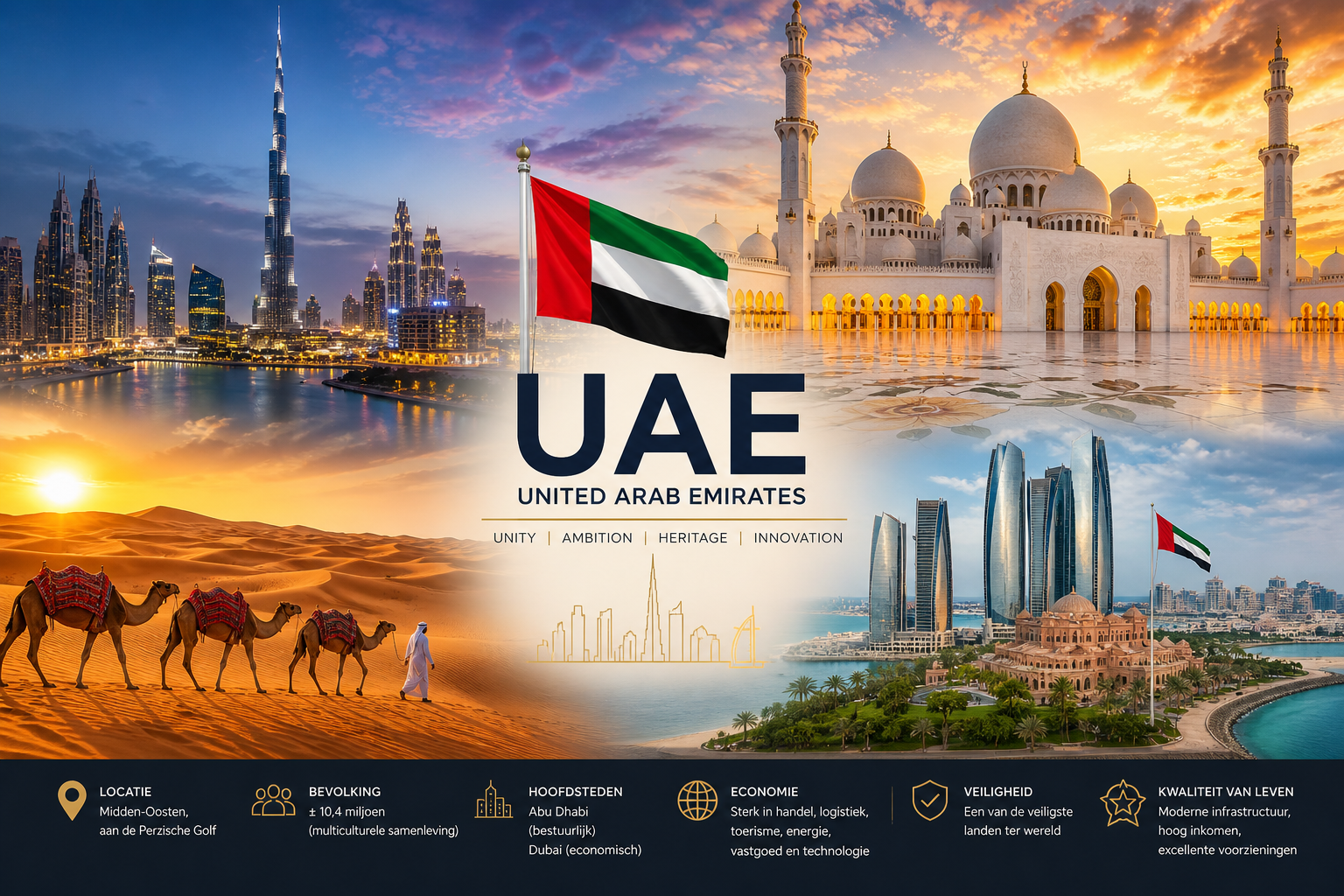
In the United Arab Emirates, safety and compliance in the handling of dangerous goods are not optional—they are essential. With the country’s strategic position as a global logistics hub connecting Asia, Europe, and Africa, the volume of hazardous materials transported through ports, airports, and industrial zones is immense. This makes dangerous goods training in the UAE a critical requirement for companies operating in logistics, warehousing, oil & gas, aviation, and manufacturing sectors.
Yet many organizations still struggle with a key question:
Who exactly needs training, what type of training is required, and how can compliance be ensured efficiently?
This guide answers those questions in depth and helps you understand how to stay compliant while protecting your employees, your business, and your reputation.
Understanding Dangerous Goods in the UAE Context
Dangerous goods (also known as hazardous materials or hazmat) include substances that pose risks to health, safety, property, or the environment. These are classified under internationally recognized systems such as:
The UAE adopts and enforces many of these international frameworks through its own regulatory bodies, including:
- General Civil Aviation Authority (GCAA)
- Federal Authority for Identity, Citizenship, Customs & Port Security
- Local municipalities and free zone authorities (e.g., JAFZA, DMCC)
Because of this alignment with global standards, companies in the UAE must ensure that their employees are properly trained according to their specific roles in the supply chain.
Who Needs Dangerous Goods Training in the UAE?
One of the biggest misconceptions is that only drivers or transport specialists need training. In reality, dangerous goods training applies to a wide range of roles:
- Warehouse personnel handling packaged dangerous goods
- Logistics coordinators arranging shipments
- Shippers and consignors preparing documentation
- Packers and loaders
- Freight forwarders
- Safety and compliance officers
- Supervisors and operational managers
In short: anyone involved in the handling, storage, documentation, or transport of dangerous goods must be trained.
This is not just a recommendation—it is a compliance requirement aligned with international regulations.
Why Dangerous Goods Training Is Critical
1. Legal Compliance
Failure to comply with dangerous goods regulations in the UAE can result in:
- Heavy fines
- Shipment delays or refusals
- Suspension of operations
- Legal liability in case of incidents
Authorities take compliance seriously, especially in high-risk sectors such as aviation and petrochemicals.
2. Safety of Employees and Facilities
Improper handling of dangerous goods can lead to:
- Fires and explosions
- Toxic exposure
- Environmental damage
- Fatal incidents
Training ensures that employees understand risks such as:
- Chemical incompatibility
- Improper labeling
- Incorrect storage conditions
3. Business Continuity
A single incident involving hazardous materials can shut down operations for days or even weeks. Proper training reduces the likelihood of:
- Operational disruptions
- Insurance claims
- Reputational damage
Types of Dangerous Goods Training
Depending on the mode of transport and job role, different training types apply.
ADR Awareness (Road Transport)
Relevant for companies involved in inland transport within the UAE and cross-border logistics with GCC countries.
Focus areas:
- Classification of dangerous goods
- Labeling and marking
- Documentation requirements
- Safe handling practices
IMDG Training (Sea Transport)
Essential for companies using UAE ports such as Jebel Ali or Khalifa Port.
Focus areas:
- Container packing
- Segregation rules
- Dangerous goods declaration
- Emergency procedures
IATA Training (Air Transport)
Mandatory for shipments transported via air cargo.
Focus areas:
- Packing instructions
- Shipper’s declaration
- Restricted and forbidden items
- Airline compliance requirements
Online Dangerous Goods Training: The Smart Choice
Traditionally, training was delivered in classrooms. Today, companies in the UAE are rapidly shifting to online training solutions, especially through platforms like .
Key Benefits:
Flexibility
Employees can complete training at their own pace, without disrupting operations.
Cost Efficiency
No travel or instructor costs, making it scalable for large teams.
Consistency
Every employee receives the same high-quality training.
Certification
Participants receive a certificate upon successful completion, demonstrating compliance.
What a Good Training Program Should Include
Not all training is equal. A high-quality dangerous goods training program should cover:
- Clear explanation of regulations
- Role-specific responsibilities
- Real-life scenarios and examples
- Practical handling guidelines
- Assessment and certification
Additionally, training should be regularly updated to reflect changes in international regulations.
Common Mistakes Companies Make in the UAE
Even experienced organizations often make critical errors:
1. Training Only a Small Group
Compliance applies to all relevant staff, not just management.
2. Using Outdated Training Materials
Regulations change frequently—training must be up to date.
3. Lack of Documentation
Without proof of training, companies cannot demonstrate compliance during inspections.
4. Confusing Different Regulations
ADR, IMDG, and IATA each have specific requirements. Mixing them up can lead to non-compliance.
The Role of Certification
Certification is more than just a document—it is proof that:
- Employees understand their responsibilities
- The company takes compliance seriously
- Training requirements have been met
In the UAE, certification is often required during:
- Audits
- Inspections
- Client onboarding processes
Future Trends in Dangerous Goods Training
The UAE continues to invest heavily in logistics, sustainability, and safety. This means:
- Stricter enforcement of regulations
- Increased demand for qualified personnel
- Greater use of digital learning platforms
Emerging topics include:
- Lithium battery safety
- Automated warehousing risks
- AI-driven compliance systems
Companies that invest in training now will be better positioned for the future.
Why Choose SafetyNet Academy
offers internationally aligned dangerous goods training designed for modern businesses.
What sets it apart:
- Courses based on global standards (ADR, IMDG, IATA)
- Practical, easy-to-understand content
- Fast access and certification
- Scalable for teams of any size
- Suitable for international operations, including the UAE
Final Thoughts
Dangerous goods training in the UAE is not just about compliance—it is about protecting people, operations, and long-term business success.
Companies that take training seriously benefit from:
- Reduced risks
- Improved operational efficiency
- Stronger reputation
- Better audit outcomes
In a region where logistics and industry continue to grow rapidly, the importance of proper training will only increase.
Start Your Training Today
If your organization is involved in the handling, storage, or transport of dangerous goods in the UAE, now is the time to act.
Invest in high-quality training, ensure your team is prepared, and stay ahead of regulations with professional e-learning solutions from .
