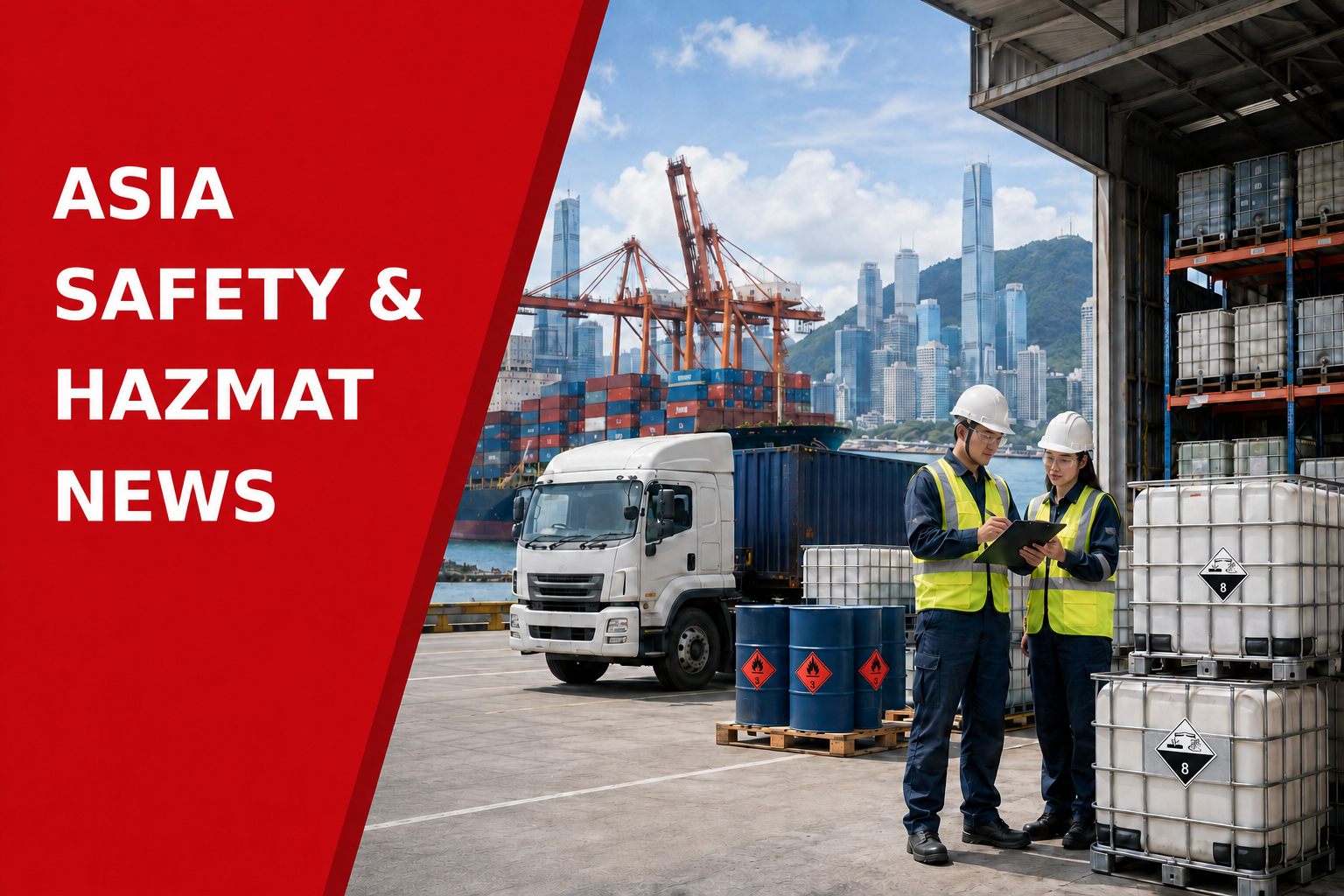
Hazmat and Industrial Safety News from Iran (August 24, 2026 – September 7, 2026)

Asian logistics, dangerous-goods storage and industrial safety news

This roundup brings together 9 recent, verifiable news development(s) concerning Iran. It focuses on dangerous goods, chemicals, air, sea and road transport, storage, ports, waste and industrial safety. Every heading and source reference links directly to the original publication.

Iran: A closer look at fuel Tanker Explosion Kills 11, Injures 7 In Western Iran

Free Press Journal reports on a closer look at fuel Tanker Explosion Kills 11, Injures 7 In Western Iran. Read the complete report at Free Press Journal for the materials involved, emergency measures, local impact and any details that remain subject to confirmation. Published September 6, 2026.

Iran: Fuel Tanker Explosion Kills 11 in Iran’s Kurdistan Province following Traffic Accident Near Hamadan–Sanandaj Checkpoint

NewsCord reports on fuel Tanker Explosion Kills 11 in Iran’s Kurdistan Province following Traffic Accident Near Hamadan–Sanandaj Checkpoint. Read the complete report at NewsCord for the materials involved, emergency measures, local impact and any details that remain subject to confirmation. Published September 6, 2026.

Iran: Iran Tanker Explosion Kills 11 following Fire Spreads to Vehicles on Highway

Khaama Press reports on iran Tanker Explosion Kills 11 following Fire Spreads to Vehicles on Highway. Read the complete report at Khaama Press for the materials involved, emergency measures, local impact and any details that remain subject to confirmation. Published September 6, 2026.

Iran: A closer look at 11 killed in fuel tanker explosion in Iran: State media

Munsif News 24×7 reports on a closer look at 11 killed in fuel tanker explosion in Iran: State media. Read the complete report at Munsif News 24×7 for the materials involved, emergency measures, local impact and any details that remain subject to confirmation. Published September 6, 2026.

Iran: Fuel tanker explosion following traffic accident kills 10 in Western Iran: State media

Khaleej Times reports on fuel tanker explosion following traffic accident kills 10 in Western Iran: State media. Read the complete report at Khaleej Times for the materials involved, emergency measures, local impact and any details that remain subject to confirmation. Published September 5, 2026.

Iran: 10 killed, 6 injured as fuel tanker explodes following accident in western Iran

Firstpost reports on 10 killed, 6 injured as fuel tanker explodes following accident in western Iran. Read the complete report at Firstpost for the materials involved, emergency measures, local impact and any details that remain subject to confirmation. Published September 5, 2026.

Iran: A closer look at tragedy on Highway: Fuel Tanker Explosion Claims Ten Lives in Iran

Devdiscourse reports on a closer look at tragedy on Highway: Fuel Tanker Explosion Claims Ten Lives in Iran. Read the complete report at Devdiscourse for the materials involved, emergency measures, local impact and any details that remain subject to confirmation. Published September 5, 2026.

Iran: A closer look at fuel tanker blast in western Iran kills at least 10

Al Jazeera reports on a closer look at fuel tanker blast in western Iran kills at least 10. Read the complete report at Al Jazeera for the materials involved, emergency measures, local impact and any details that remain subject to confirmation. Published September 5, 2026.

Iran: A closer look at explosive Tragedy: Fuel Tanker Catastrophe in Iran

Devdiscourse reports on a closer look at explosive Tragedy: Fuel Tanker Catastrophe in Iran. Read the complete report at Devdiscourse for the materials involved, emergency measures, local impact and any details that remain subject to confirmation. Published September 5, 2026.

What this means for Asian logistics and industry

These developments highlight the importance of hazard identification, compatible storage, correct dangerous-goods documentation, employee training, spill preparedness and emergency plans that reflect national and modal requirements. Businesses should consult the original sources and assess each development against the rules that apply in the country and transport mode concerned.

Sources

Asia Safety & Hazmat News: Weekly Roundup (August 17, 2026 – August 31, 2026)

Asian logistics, dangerous-goods storage and industrial safety news

This roundup brings together 1 recent, verifiable news development(s) concerning Asia. It focuses on dangerous goods, chemicals, air, sea and road transport, storage, ports, waste and industrial safety. Every heading and source reference links directly to the original publication.

China: A closer look at fire at Russian gas chemical complex leaves 6 Chinese dead, 9 more missing

South China Morning Post reports on a closer look at fire at Russian gas chemical complex leaves 6 Chinese dead, 9 more missing. Read the complete report at South China Morning Post for the materials involved, emergency measures, local impact and any details that remain subject to confirmation. Published August 25, 2026.

What this means for Asian logistics and industry

These developments highlight the importance of hazard identification, compatible storage, correct dangerous-goods documentation, employee training, spill preparedness and emergency plans that reflect national and modal requirements. Businesses should consult the original sources and assess each development against the rules that apply in the country and transport mode concerned.

Sources

Asia Safety & Hazmat News: Weekly Roundup (August 10, 2026 – August 24, 2026)

Asian logistics, dangerous-goods storage and industrial safety news

This roundup brings together 2 recent, verifiable news development(s) concerning Asia. It focuses on dangerous goods, chemicals, air, sea and road transport, storage, ports, waste and industrial safety. Every heading and source reference links directly to the original publication.

India: fire is reported at chemical company in Gujarat’s Bharuch; no deaths reported

lokmattimes.com reports on fire is reported at chemical company in Gujarat’s Bharuch; no deaths reported. Read the complete report at lokmattimes.com for the materials involved, emergency measures, local impact and any details that remain subject to confirmation. Published August 17, 2026.

Japan: A closer look at yokohama digitises dangerous goods filings through Cyber Port

Splash247 reports on a closer look at yokohama digitises dangerous goods filings through Cyber Port. Read the complete report at Splash247 for the materials involved, emergency measures, local impact and any details that remain subject to confirmation. Published August 24, 2026.

What this means for Asian logistics and industry

These developments highlight the importance of hazard identification, compatible storage, correct dangerous-goods documentation, employee training, spill preparedness and emergency plans that reflect national and modal requirements. Businesses should consult the original sources and assess each development against the rules that apply in the country and transport mode concerned.

Sources

Asia Safety & Hazmat News: Weekly Roundup (August 3, 2026 – August 17, 2026)

Asian logistics, dangerous-goods storage and industrial safety news

This roundup brings together 1 recent, verifiable news development(s) concerning Asia. It focuses on dangerous goods, chemicals, air, sea and road transport, storage, ports, waste and industrial safety. Every heading and source reference links directly to the original publication.

Bangladesh: A closer look at a toxic gas leak at a Bangladesh shipbreaking yard kills at least 8 workers

The Washington Post reports on a closer look at a toxic gas leak at a Bangladesh shipbreaking yard kills at least 8 workers. Read the complete report at The Washington Post for the materials involved, emergency measures, local impact and any details that remain subject to confirmation. Published August 14, 2026.

What this means for Asian logistics and industry

These developments highlight the importance of hazard identification, compatible storage, correct dangerous-goods documentation, employee training, spill preparedness and emergency plans that reflect national and modal requirements. Businesses should consult the original sources and assess each development against the rules that apply in the country and transport mode concerned.

Sources

Asia Safety & Hazmat News: Weekly Roundup (July 28, 2026 – August 11, 2026)

Asian logistics, dangerous-goods storage and industrial safety news

This roundup brings together 4 recent, verifiable news development(s) concerning Asia. It focuses on dangerous goods, chemicals, air, sea and road transport, storage, ports, waste and industrial safety. Every heading and source reference links directly to the original publication.

China: Over 1,200 evacuated following chemical plant fire in southwest China

Anadolu Ajansı reports on over 1,200 evacuated following chemical plant fire in southwest China. Read the complete report at Anadolu Ajansı for the materials involved, emergency measures, local impact and any details that remain subject to confirmation. Published August 5, 2026.

China: A closer look at over 1,200 residents evacuated as chemical plant fire generates irritating smoke in SW China

China Daily reports on a closer look at over 1,200 residents evacuated as chemical plant fire generates irritating smoke in SW China. Read the complete report at China Daily for the materials involved, emergency measures, local impact and any details that remain subject to confirmation. Published August 5, 2026.

South Korea: A closer look at uS Military Base In South Korea Issues Safety Alert Over Chemical Leak

NDTV reports on a closer look at uS Military Base In South Korea Issues Safety Alert Over Chemical Leak. Read the complete report at NDTV for the materials involved, emergency measures, local impact and any details that remain subject to confirmation. Published July 28, 2026.

Kyrgyzstan: A closer look at kyrgyzstan Hazardous Waste Cleanup Begins at Soviet Era Kristall Plant

The Times Of Central Asia reports on a closer look at kyrgyzstan Hazardous Waste Cleanup Begins at Soviet Era Kristall Plant. Read the complete report at The Times Of Central Asia for the materials involved, emergency measures, local impact and any details that remain subject to confirmation. Published July 31, 2026.

What this means for Asian logistics and industry

These developments highlight the importance of hazard identification, compatible storage, correct dangerous-goods documentation, employee training, spill preparedness and emergency plans that reflect national and modal requirements. Businesses should consult the original sources and assess each development against the rules that apply in the country and transport mode concerned.

Sources

ADR Awareness: Who Really Needs It?

Alternative Dispute Resolution (ADR) encompasses a range of processes designed to resolve conflicts without resorting to litigation. ADR methods, such as mediation and arbitration, provide parties with the opportunity to settle disputes in a more flexible, cost-effective, and timely manner. Understanding ADR awareness is crucial as it equips individuals and organizations with the knowledge and skills necessary to navigate conflicts effectively. This awareness fosters a culture of resolution that prioritizes dialogue over discord, ultimately leading to more amicable outcomes.

The significance of ADR awareness extends beyond mere knowledge of its processes; it encompasses an understanding of the underlying principles that guide these methods. By recognizing the value of communication, empathy, and collaboration, individuals can approach conflicts with a mindset geared toward resolution rather than confrontation. This shift in perspective is essential in today’s increasingly complex social and professional landscapes, where disputes can arise from diverse sources and escalate quickly if not managed properly.

The Importance of ADR Awareness in Resolving Disputes

ADR awareness plays a pivotal role in resolving disputes by providing individuals with the tools to address conflicts proactively. When parties are informed about the various ADR options available to them, they are more likely to seek these alternatives before escalating issues to formal legal proceedings. This proactive approach not only saves time and resources but also helps maintain relationships that might otherwise be damaged through adversarial litigation.

Moreover, ADR awareness encourages a more collaborative approach to conflict resolution. By understanding the principles of negotiation and mediation, individuals can engage in discussions that prioritize mutual interests rather than entrenched positions. This collaborative mindset can lead to creative solutions that satisfy all parties involved, fostering a sense of ownership over the resolution process and enhancing the likelihood of compliance with the agreed-upon terms.

Who Can Benefit from ADR Awareness Training?

ADR awareness training is beneficial for a wide array of individuals and organizations. Professionals in various fields, including law, human resources, education, healthcare, and community services, can gain valuable insights from such training. For instance, lawyers can enhance their negotiation skills and better serve their clients by understanding how to navigate disputes through ADR methods. Similarly, HR professionals can learn to mediate workplace conflicts effectively, promoting a healthier work environment.

Beyond professionals, community members and leaders can also benefit from ADR awareness training. By equipping individuals with conflict resolution skills, communities can foster a culture of dialogue and understanding. This training can empower citizens to address local disputes constructively, reducing tensions and promoting social cohesion. Ultimately, anyone who interacts with others—whether in personal or professional contexts—can gain from an increased awareness of ADR principles and practices.

ADR Awareness in the Workplace: Why It’s Essential for Employees and Managers

In the workplace, ADR awareness is essential for both employees and managers as it cultivates a harmonious environment conducive to productivity and collaboration. When employees are trained in conflict resolution techniques, they are better equipped to handle disagreements among themselves or with supervisors. This proactive approach minimizes disruptions caused by unresolved conflicts and fosters a culture of open communication where issues can be addressed before they escalate.

For managers, understanding ADR principles is equally important. They play a crucial role in setting the tone for conflict resolution within their teams. By modeling effective communication and conflict management strategies, managers can create an atmosphere where employees feel safe expressing their concerns. Furthermore, when managers are adept at utilizing ADR methods, they can resolve disputes more efficiently, saving time and resources while maintaining team morale.

ADR Awareness in Legal Settings: How It Can Benefit Lawyers and Clients

In legal settings, ADR awareness is invaluable for both lawyers and their clients. For attorneys, being knowledgeable about various ADR processes allows them to provide comprehensive advice tailored to their clients’ needs. By presenting alternative options for dispute resolution, lawyers can help clients avoid the lengthy and costly litigation process. This not only enhances client satisfaction but also strengthens the attorney-client relationship by demonstrating a commitment to finding the best possible outcomes.

Clients also stand to benefit significantly from ADR awareness. When clients understand their options for resolving disputes outside of court, they are more likely to engage in constructive dialogue with opposing parties. This understanding empowers clients to take an active role in their dispute resolution process, leading to outcomes that align more closely with their interests and needs. Ultimately, ADR awareness in legal settings promotes a more efficient justice system by alleviating some of the burdens placed on courts.

ADR Awareness in Community and Social Settings: Its Role in Conflict Resolution

Please ensure you handle Dangerous goods with care by visiting https://yoursafetystore.asia.
In community and social settings, ADR awareness serves as a vital tool for conflict resolution. Communities often face disputes arising from diverse backgrounds, interests, and perspectives. By fostering an understanding of ADR methods among community members, local leaders can promote peaceful dialogue and collaboration. This awareness encourages individuals to seek resolution through mediation or other collaborative processes rather than resorting to confrontational tactics that may exacerbate tensions.

Moreover, community organizations that prioritize ADR awareness can facilitate workshops and training sessions aimed at equipping residents with conflict resolution skills. These initiatives not only empower individuals but also strengthen community bonds by promoting understanding and cooperation among diverse groups. As communities become more adept at resolving conflicts amicably, they cultivate an environment where social cohesion thrives.

ADR Awareness in Education: How It Can Help Students and Teachers

In educational settings, ADR awareness is crucial for both students and teachers as it fosters a positive learning environment. When students are educated about conflict resolution techniques, they develop essential life skills that extend beyond the classroom. These skills enable them to navigate interpersonal relationships more effectively, reducing instances of bullying and promoting inclusivity among peers.

Teachers also benefit from ADR awareness as it equips them with strategies to manage classroom conflicts constructively. By employing mediation techniques or facilitating discussions among students, educators can address issues before they escalate into larger problems. This proactive approach not only enhances classroom dynamics but also models effective conflict resolution for students, reinforcing the importance of communication and empathy in their interactions.

ADR Awareness in Healthcare: Its Impact on Patient Care and Provider Relationships

In the healthcare sector, ADR awareness plays a significant role in enhancing patient care and improving provider relationships. Conflicts can arise between patients and healthcare providers due to misunderstandings or differing expectations regarding treatment plans or care delivery. By fostering an understanding of ADR methods among healthcare professionals, organizations can create an environment where open communication is prioritized.

When healthcare providers are trained in conflict resolution techniques, they are better equipped to address patient concerns effectively. This proactive approach not only improves patient satisfaction but also strengthens the trust between patients and providers. Additionally, when conflicts are resolved amicably through mediation or negotiation, healthcare organizations can reduce the likelihood of legal disputes that may arise from unresolved grievances.

ADR Awareness in Family and Personal Relationships: Its Role in Preventing and Resolving Conflict

In family and personal relationships, ADR awareness is essential for preventing and resolving conflicts that may arise over time. Families often face challenges related to differing opinions or life changes that can lead to misunderstandings or disputes. By fostering an understanding of conflict resolution techniques among family members, individuals can learn to communicate more effectively and address issues constructively.

Moreover, when families embrace ADR principles such as mediation or collaborative problem-solving, they create an environment where all voices are heard. This inclusive approach not only strengthens familial bonds but also equips individuals with valuable skills that can be applied in other areas of their lives. Ultimately, ADR awareness serves as a foundation for healthier relationships built on mutual respect and understanding.

ADR Awareness in International Relations: Its Importance in Diplomacy and Peacebuilding

In the realm of international relations, ADR awareness is paramount for effective diplomacy and peacebuilding efforts. Conflicts between nations often stem from misunderstandings or competing interests that require skilled negotiation to resolve. By promoting an understanding of ADR methods among diplomats and international leaders, countries can engage in constructive dialogue aimed at finding mutually beneficial solutions.

Furthermore, ADR awareness plays a critical role in post-conflict reconciliation efforts. When nations emerge from conflict, fostering dialogue among affected communities is essential for rebuilding trust and promoting social cohesion. By employing mediation techniques or facilitating discussions among diverse groups, international organizations can help communities navigate their differences peacefully, laying the groundwork for lasting peace.

The Future of ADR Awareness: How It Can Continue to Make a Difference

Looking ahead, the future of ADR awareness holds great promise for enhancing conflict resolution across various sectors of society. As global challenges become increasingly complex—ranging from social justice issues to environmental concerns—the need for effective dispute resolution methods will only grow more pressing. By continuing to promote ADR awareness through education and training initiatives, individuals and organizations can equip themselves with the tools necessary to navigate these challenges constructively.

Moreover, advancements in technology present new opportunities for expanding ADR awareness. Online platforms for mediation and negotiation are becoming more prevalent, allowing individuals to engage in dispute resolution processes remotely. As these technologies evolve, they will further democratize access to conflict resolution resources, making it easier for people from all walks of life to benefit from ADR methods.

In conclusion, fostering ADR awareness is essential for creating a more harmonious society where conflicts are addressed constructively rather than confrontationally. By investing in education and training across various sectors—workplaces, legal settings, communities, schools, healthcare systems, families, international relations—society can cultivate a culture of dialogue that prioritizes understanding over discord. The future of ADR awareness promises continued growth and impact as individuals embrace these principles in their daily lives.

FAQs

What is ADR and why is it important?

ADR stands for Alternative Dispute Resolution, which refers to methods of resolving disputes outside of the courtroom. It is important because it can save time and money, reduce stress, and preserve relationships between parties involved in a dispute.

Who can benefit from ADR?

Anyone involved in a dispute, whether it’s individuals, businesses, or organizations, can benefit from ADR. It is particularly useful for parties who want to maintain control over the outcome of their dispute and avoid the uncertainty of a court decision.

What are the different types of ADR methods available?

The main types of ADR methods include mediation, arbitration, negotiation, conciliation, and collaborative law. Each method has its own unique approach to resolving disputes and can be tailored to fit the specific needs of the parties involved.

How does ADR compare to traditional litigation?

ADR is generally faster, less expensive, and more flexible than traditional litigation. It allows parties to work together to find a mutually acceptable solution, whereas litigation involves a judge or jury making a final decision based on legal arguments and evidence presented in court.

When should someone consider using ADR?

ADR should be considered when parties want to resolve a dispute in a more efficient and collaborative manner, without the need for a formal court process. It can be used at any stage of a dispute, from the early stages of a disagreement to after a lawsuit has been filed.

Tank Container Loading Risks Explained

Tank containers are essential in the transportation of liquids, gases, and other bulk materials across various industries. However, the loading process of these containers is fraught with risks that can lead to significant safety hazards, environmental damage, and financial losses. The complexity of handling hazardous materials, coupled with the physical demands of loading operations, necessitates a thorough understanding of the potential dangers involved. As industries increasingly rely on tank containers for efficient logistics, recognizing and mitigating these risks becomes paramount.

The loading of tank containers is not merely a routine task; it is a critical operation that requires meticulous attention to detail. The consequences of improper loading can be severe, affecting not only the safety of personnel but also the integrity of the cargo and the environment. Therefore, it is essential for organizations to prioritize safety protocols and implement best practices to minimize risks associated with tank container loading.

Understanding the Importance of Proper Loading Procedures

Proper loading procedures are vital in ensuring the safe transport of goods within tank containers. These procedures encompass a range of activities, from assessing the container’s condition to ensuring that the correct materials are loaded in compliance with safety regulations. A systematic approach to loading can significantly reduce the likelihood of accidents and spills, which can have devastating consequences for both human health and the environment.

Moreover, adhering to established loading procedures fosters a culture of safety within organizations. When employees understand the importance of following protocols, they are more likely to take ownership of their responsibilities and remain vigilant during loading operations. This proactive mindset not only enhances safety but also contributes to operational efficiency, as well-executed loading processes can lead to reduced turnaround times and lower costs.

Potential Risks and Hazards Associated with Tank Container Loading

The loading of tank containers presents numerous risks and hazards that must be carefully managed. One of the most significant dangers is the potential for spills or leaks during the loading process. These incidents can occur due to equipment failure, human error, or improper handling of materials. The consequences of such spills can be catastrophic, leading to environmental contamination and posing serious health risks to workers and nearby communities.

In addition to spills, there are other hazards associated with tank container loading, including exposure to toxic fumes, fire risks from flammable materials, and physical injuries from manual handling or equipment operation. Each of these risks requires specific mitigation strategies to ensure that personnel are protected and that operations proceed smoothly. Understanding these potential hazards is the first step in developing effective safety measures.

The Impact of Improper Loading on Tank Container Safety

Improper loading practices can have far-reaching implications for tank container safety. When containers are not loaded correctly, it can lead to an imbalance that affects the stability of the container during transport. This instability increases the risk of accidents, such as tipping over or rolling during transit, which can result in significant cargo loss and environmental damage.

Furthermore, improper loading can compromise the structural integrity of the tank container itself. Overloading or uneven weight distribution can cause stress on the container walls, leading to cracks or ruptures that may not be immediately apparent. Such failures can result in catastrophic leaks during transport, posing serious risks to public safety and necessitating costly cleanup operations.

Common Mistakes and Errors in Tank Container Loading

Several common mistakes can occur during tank container loading that contribute to safety risks. One prevalent error is failing to conduct a thorough inspection of the container before loading. Neglecting to check for signs of damage or wear can lead to serious consequences if a compromised container is filled with hazardous materials.

Another frequent mistake is inadequate training for personnel involved in loading operations. Without proper training, workers may not fully understand the risks associated with their tasks or how to operate equipment safely. This lack of knowledge can lead to errors in judgment that compromise safety and efficiency during loading.

Best Practices for Safe and Efficient Tank Container Loading

Please ensure you handle Dangerous goods with care by visiting https://yoursafetystore.asia.
To ensure safe and efficient tank container loading, organizations should implement best practices that address both operational procedures and employee training. One key practice is conducting regular inspections of both the containers and the loading equipment. This proactive approach helps identify potential issues before they escalate into serious problems.

Additionally, organizations should establish clear communication protocols among team members involved in loading operations. Effective communication ensures that everyone is aware of their roles and responsibilities, reducing the likelihood of misunderstandings that could lead to accidents. Furthermore, utilizing checklists during the loading process can help ensure that all necessary steps are followed systematically.

Importance of Proper Training for Tank Container Loading Personnel

Training is a critical component in promoting safety during tank container loading operations. Employees must be well-versed in the specific procedures related to their roles, including how to handle hazardous materials safely and how to operate loading equipment correctly. Comprehensive training programs should cover not only technical skills but also safety awareness and emergency response protocols.

Moreover, ongoing training and refresher courses are essential for keeping personnel updated on industry best practices and regulatory changes. By investing in continuous education, organizations can foster a knowledgeable workforce that prioritizes safety and is equipped to handle unexpected challenges during loading operations.

Regulatory Compliance and Standards for Tank Container Loading

Compliance with regulatory standards is crucial in ensuring safe tank container loading practices. Various national and international regulations govern the transportation of hazardous materials, including guidelines set forth by organizations such as the International Maritime Organization (IMO) and the Occupational Safety and Health Administration (OSHA). Adhering to these regulations helps organizations mitigate risks associated with tank container loading.

In addition to legal compliance, organizations should strive to exceed minimum standards by implementing their own internal safety protocols. Establishing a culture of safety that goes beyond regulatory requirements demonstrates a commitment to protecting employees, the environment, and the integrity of cargo during transport.

The Role of Technology in Mitigating Tank Container Loading Risks

Advancements in technology play a significant role in enhancing safety during tank container loading operations. Automated systems can streamline processes, reducing human error and improving efficiency. For instance, using sensors and monitoring systems can provide real-time data on container conditions, alerting personnel to potential issues before they escalate.

Furthermore, technology can facilitate better training through virtual simulations and e-learning platforms. These tools allow employees to practice loading procedures in a controlled environment, helping them gain confidence and competence before engaging in actual operations. By leveraging technology effectively, organizations can significantly reduce risks associated with tank container loading.

Case Studies and Lessons Learned from Tank Container Loading Incidents

Examining case studies of past incidents related to tank container loading provides valuable insights into potential pitfalls and areas for improvement. For example, an incident involving a major spill during transport highlighted the importance of thorough inspections prior to loading. Investigations revealed that a small crack in the container went unnoticed due to inadequate pre-loading checks.

Another case study demonstrated how poor communication among team members led to an accident during loading operations. The lack of clear roles resulted in confusion about who was responsible for monitoring equipment status, ultimately leading to a failure that caused a hazardous material leak. These lessons underscore the need for rigorous training, effective communication protocols, and comprehensive inspection procedures.

Prioritizing Safety in Tank Container Loading Operations

In conclusion, prioritizing safety in tank container loading operations is essential for protecting personnel, cargo integrity, and the environment. By understanding the risks associated with improper loading practices and implementing best practices for safe operations, organizations can significantly reduce potential hazards. Proper training for personnel, adherence to regulatory standards, and leveraging technology are all critical components in fostering a culture of safety.

As industries continue to rely on tank containers for transporting various materials, it is imperative that stakeholders remain vigilant in their commitment to safety. By learning from past incidents and continuously improving practices, organizations can ensure that tank container loading operations are conducted efficiently while minimizing risks to all involved parties.

FAQs

What are the risks associated with tank container loading?

Tank container loading poses several risks, including overfilling, improper securing of the container, contamination of the cargo, and potential leaks or spills during transportation.

How can overfilling pose a risk during tank container loading?

Overfilling a tank container can lead to spillage, which can result in environmental damage, safety hazards, and potential fines or legal consequences for the responsible parties.

What are the potential consequences of improper securing of a tank container during loading?

Improper securing of a tank container can lead to shifting or movement of the container during transportation, increasing the risk of accidents, spills, and damage to the container and its contents.

How can cargo contamination occur during tank container loading?

Cargo contamination can occur if the tank container is not properly cleaned and prepared before loading, or if incompatible substances come into contact with each other during the loading process.

What measures can be taken to mitigate the risks associated with tank container loading?

To mitigate the risks associated with tank container loading, it is important to follow proper loading procedures, ensure that containers are properly secured and maintained, and conduct regular inspections and maintenance to prevent leaks, spills, and other potential hazards.

Packer vs Consignor – What’s the Difference?

In the intricate world of logistics and supply chain management, the role of a packer is pivotal. A packer is primarily responsible for preparing goods for shipment, ensuring that products are securely packaged to withstand the rigors of transportation. This involves selecting appropriate materials, such as boxes, bubble wrap, or pallets, and employing techniques that minimize the risk of damage during transit. The packer must also consider the weight and dimensions of the items being shipped, as well as any specific requirements dictated by the shipping method or destination. Their expertise in packaging not only protects the goods but also optimizes space within shipping containers, which can lead to cost savings.

Moreover, packers play a crucial role in inventory management. They often work closely with warehouse staff to ensure that products are packed in a timely manner and that inventory levels are accurately maintained. This coordination is essential for meeting shipping deadlines and maintaining customer satisfaction. In addition to physical packing, modern packers may also utilize technology to track shipments and manage packing lists, ensuring that all items are accounted for before they leave the facility. Their attention to detail and commitment to quality control are vital components in the overall efficiency of the supply chain.

Defining the Responsibilities of a Consignor

The consignor holds a distinct yet equally important position within the logistics framework. A consignor is typically the individual or entity that sends goods to another party, often referred to as the consignee. This role encompasses a range of responsibilities, starting with the preparation of shipping documents, such as bills of lading and invoices. These documents serve as legal proof of the transaction and outline the terms of shipment, including payment details and delivery instructions. The consignor must ensure that all paperwork is accurate and complete to avoid delays or disputes during transit.

In addition to documentation, the consignor is responsible for providing detailed information about the goods being shipped. This includes descriptions of the items, their value, and any special handling instructions that may be necessary. The consignor must also communicate effectively with both the packer and the carrier to coordinate logistics and ensure that shipments are dispatched on time. This role requires a keen understanding of shipping regulations and compliance standards, as any oversight can lead to significant complications in the transportation process.

Packer vs Consignor: Key Differences in Function

While both packers and consignors play integral roles in the shipping process, their functions differ significantly. The primary distinction lies in their responsibilities: packers focus on the physical preparation of goods for shipment, while consignors handle the administrative aspects of sending those goods. Packers are hands-on, working directly with products to ensure they are securely packaged and ready for transport. Their expertise in materials and techniques is essential for minimizing damage during transit.

Conversely, consignors operate at a more strategic level, managing documentation and communication between various parties involved in the shipping process. They are responsible for ensuring that all necessary information is conveyed to both packers and carriers, facilitating a smooth transition from one stage of logistics to another. This division of labor allows for greater efficiency within the supply chain, as each party can concentrate on their specific tasks without overlap or confusion.

The Importance of a Packer in the Supply Chain

The significance of a packer in the supply chain cannot be overstated. As the first line of defense against potential damage during transportation, packers ensure that products arrive at their destination in pristine condition. This not only protects the integrity of the goods but also enhances customer satisfaction by reducing the likelihood of returns or complaints due to damaged items. A well-packaged product reflects positively on a company’s brand image, reinforcing trust and reliability in the eyes of consumers.

Furthermore, packers contribute to overall operational efficiency by optimizing space within shipping containers and reducing shipping costs. By employing effective packing strategies, they can maximize load capacity, which is particularly important in an era where freight costs are influenced by fuel prices and other economic factors. Their ability to balance protection with cost-effectiveness makes them invaluable partners in the logistics chain, ultimately impacting a company’s bottom line.

The Role of a Consignor in the Transportation Industry

In the transportation industry, the role of a consignor extends beyond mere documentation; it encompasses a comprehensive understanding of logistics and compliance regulations. Consignors must navigate complex legal frameworks that govern shipping practices, ensuring that all shipments adhere to local and international laws. This includes understanding customs requirements for international shipments, which can be particularly challenging due to varying regulations across different countries.

Additionally, consignors often serve as liaisons between various stakeholders in the shipping process, including suppliers, carriers, and customers. Their ability to communicate effectively and coordinate logistics is essential for maintaining smooth operations. By managing relationships with carriers and negotiating shipping rates, consignors can help businesses optimize their transportation strategies and reduce costs. Their strategic oversight ensures that shipments are not only compliant but also delivered efficiently and on time.

Packer vs Consignor: Distinctions in the Shipping Process

Please ensure you handle Dangerous goods with care by visiting https://yoursafetystore.asia.
The distinctions between packers and consignors become particularly evident during the shipping process itself. Packers are primarily concerned with how goods are physically prepared for transport; they assess each item’s packaging needs based on its size, fragility, and destination requirements. This hands-on approach involves selecting appropriate packing materials and employing techniques that will safeguard items throughout their journey.

On the other hand, consignors focus on ensuring that all necessary documentation is prepared and submitted correctly before shipment occurs. They verify that all information regarding the shipment is accurate and complete, which is crucial for avoiding delays at customs or during transit. While packers may be involved in physically loading goods onto transport vehicles, consignors oversee the entire process from a logistical standpoint, ensuring that everything aligns with regulatory standards and contractual obligations.

How Packer and Consignor Interact in the Logistics Chain

The interaction between packers and consignors is a critical component of an efficient logistics chain. Effective communication between these two parties ensures that shipments are prepared accurately and dispatched on time. For instance, a consignor may provide specific packing instructions based on customer requirements or regulatory guidelines, which packers must follow meticulously to avoid any issues during transit.

Moreover, this collaboration extends beyond initial packing instructions; it also involves ongoing dialogue throughout the shipping process. If any issues arise—such as changes in shipment details or unexpected delays—both parties must work together to address these challenges promptly. This synergy not only enhances operational efficiency but also fosters a culture of accountability within the logistics chain.

Packer and Consignor: Variances in Liability and Risk

Liability and risk management are crucial considerations for both packers and consignors, albeit from different perspectives. Packers bear responsibility for ensuring that goods are packaged securely; if items are damaged due to inadequate packing methods or materials, they may be held liable for those losses. This underscores the importance of adhering to best practices in packaging to mitigate risks associated with transportation.

Conversely, consignors face liability related to documentation accuracy and compliance with shipping regulations. If a shipment is delayed or rejected due to incorrect paperwork or failure to meet legal requirements, it can result in significant financial repercussions for the consignor. Therefore, both parties must understand their respective liabilities and take proactive measures to minimize risks throughout the shipping process.

The Impact of Packer and Consignor on Freight Costs

Freight costs are influenced by various factors within the logistics chain, including the roles played by packers and consignors. Packers can directly impact freight costs through their packing strategies; efficient packing can maximize space utilization within shipping containers, leading to lower transportation expenses per unit shipped. By minimizing wasted space and optimizing load configurations, packers contribute significantly to cost savings.

On the other hand, consignors influence freight costs through their negotiation skills with carriers and their ability to select appropriate shipping methods based on budgetary constraints. By understanding market rates and leveraging relationships with carriers, consignors can secure favorable terms that help reduce overall shipping expenses. Together, packers and consignors play vital roles in managing freight costs effectively while ensuring timely delivery of goods.

Key Considerations for Choosing a Packer or Consignor

When selecting a packer or consignor for shipping needs, several key considerations come into play. For packers, businesses should evaluate their experience with specific types of products and their ability to handle unique packaging requirements. It is essential to choose a packer who understands industry standards and best practices to ensure that goods are protected during transit.

For consignors, factors such as expertise in regulatory compliance and strong communication skills are paramount. A reliable consignor should have a proven track record of managing shipments efficiently while navigating complex legal frameworks. Additionally, businesses should consider their ability to negotiate favorable shipping rates with carriers as this can significantly impact overall transportation costs.

Packer vs Consignor: Finding the Right Fit for Your Shipping Needs

Ultimately, finding the right fit between a packer and a consignor is crucial for optimizing shipping operations. Businesses must assess their specific needs—whether they require specialized packing services or comprehensive logistical support from a consignor—to make informed decisions. Engaging with both parties early in the planning process can lead to more effective collaboration and smoother operations throughout the shipping journey.

By understanding the distinct roles played by packers and consignors within the logistics chain, businesses can better navigate their shipping challenges while maximizing efficiency and minimizing costs. The synergy between these two roles is essential for achieving successful outcomes in today’s fast-paced transportation landscape.

FAQs

1. What is a packer in the context of shipping and logistics?

A packer is a company or individual responsible for packaging goods for shipment. They ensure that items are properly packed to prevent damage during transportation.

2. What is a consignor in the context of shipping and logistics?

A consignor is a person or company that sends goods to a consignee (receiver) via a carrier or transportation service. The consignor is responsible for preparing the goods for shipment and arranging for their transportation.

3. What are the main responsibilities of a packer?

The main responsibilities of a packer include selecting appropriate packaging materials, properly securing and protecting the goods, labeling packages with necessary information, and ensuring compliance with shipping regulations.

4. What are the main responsibilities of a consignor?

The main responsibilities of a consignor include preparing the goods for shipment, arranging for transportation, providing necessary documentation, and ensuring that the goods are delivered to the consignee in a timely manner.

5. What are the key differences between a packer and a consignor?

The key difference between a packer and a consignor is that a packer is responsible for packaging goods for shipment, while a consignor is responsible for preparing the goods for shipment and arranging for their transportation to the consignee.

Dangerous Goods Documentation Mistakes

Dangerous goods documentation is a critical aspect of the transportation and handling of hazardous materials. This documentation serves as a means of communication between various stakeholders, including manufacturers, transporters, and regulatory authorities. It provides essential information about the nature of the goods, their potential hazards, and the necessary precautions for safe handling and transport. The importance of accurate and comprehensive documentation cannot be overstated, as it plays a vital role in ensuring safety and compliance with legal requirements.

In an increasingly globalized world, the movement of dangerous goods has become more prevalent. As industries expand and international trade flourishes, the need for standardized documentation practices has grown. This necessity is underscored by the fact that improper handling or miscommunication regarding dangerous goods can lead to catastrophic consequences, including environmental disasters, injuries, or even fatalities. Therefore, understanding the intricacies of dangerous goods documentation is essential for anyone involved in the supply chain of hazardous materials.

Common Mistakes in Dangerous Goods Documentation

One of the most prevalent mistakes in dangerous goods documentation is the failure to accurately classify the materials being transported. Misclassification can occur due to a lack of understanding of the specific properties of the goods or oversight in reviewing the relevant regulations. This error can lead to inappropriate handling procedures, which may endanger personnel and the environment. Additionally, incorrect classification can result in legal repercussions for companies that fail to comply with regulatory standards.

Another common mistake involves incomplete or inaccurate labeling on shipping containers. Labels must clearly indicate the nature of the hazardous materials contained within, including any associated risks. Inadequate labeling can confuse handlers and emergency responders, potentially leading to dangerous situations during transport or in the event of an accident. Furthermore, failure to include necessary documentation, such as safety data sheets (SDS), can exacerbate these issues, leaving individuals without critical information needed to manage emergencies effectively.

Importance of Accurate Dangerous Goods Documentation

Accurate dangerous goods documentation is paramount for several reasons. First and foremost, it ensures the safety of all individuals involved in the handling and transportation of hazardous materials. Proper documentation provides essential information about the risks associated with specific goods, enabling handlers to take appropriate precautions. This proactive approach minimizes the likelihood of accidents and injuries, fostering a safer working environment.

Moreover, accurate documentation is crucial for regulatory compliance. Governments and international organizations have established stringent guidelines for the transportation of dangerous goods to protect public health and the environment. Companies that fail to adhere to these regulations may face severe penalties, including fines and legal action. By maintaining accurate records and documentation, organizations can demonstrate their commitment to safety and compliance, thereby safeguarding their reputation and operational integrity.

Understanding Regulatory Requirements for Dangerous Goods Documentation

Navigating the regulatory landscape surrounding dangerous goods documentation can be complex. Various national and international regulations govern the classification, packaging, labeling, and transportation of hazardous materials. For instance, organizations must comply with regulations set forth by agencies such as the United Nations (UN), the International Air Transport Association (IATA), and the U.S. Department of Transportation (DOT). Each regulatory body has its own set of requirements that must be meticulously followed.

Understanding these regulations is essential for ensuring compliance and avoiding potential pitfalls. Companies must stay informed about changes in legislation and industry standards that may impact their operations. This requires ongoing education and training for employees involved in dangerous goods handling and documentation. By fostering a culture of compliance and awareness, organizations can better navigate the complexities of regulatory requirements and mitigate risks associated with dangerous goods.

Consequences of Inaccurate Dangerous Goods Documentation

The consequences of inaccurate dangerous goods documentation can be severe and far-reaching. One immediate impact is the increased risk of accidents during transportation or handling. Mislabeling or misclassifying hazardous materials can lead to improper handling procedures, resulting in spills, leaks, or explosions. Such incidents not only pose a threat to human safety but can also have devastating effects on the environment.

In addition to safety concerns, companies may face significant financial repercussions due to inaccurate documentation. Regulatory agencies often impose hefty fines on organizations that fail to comply with dangerous goods regulations. Furthermore, incidents resulting from poor documentation can lead to costly litigation and damage to a company’s reputation. The long-term effects of such incidents can hinder business operations and erode customer trust, making it imperative for organizations to prioritize accurate documentation practices.

Tips for Avoiding Dangerous Goods Documentation Mistakes

Please ensure you handle Dangerous goods with care by visiting https://yoursafetystore.asia.
To minimize mistakes in dangerous goods documentation, organizations should implement a systematic approach to training and education. Regular training sessions can help employees stay informed about current regulations and best practices for handling hazardous materials. Additionally, creating a culture of accountability encourages staff members to take ownership of their responsibilities regarding documentation accuracy.

Another effective strategy is to establish a comprehensive checklist for dangerous goods documentation processes. This checklist should outline all necessary steps, from classification to labeling and record-keeping. By following a standardized procedure, organizations can reduce the likelihood of errors and ensure that all required information is included in their documentation.

Training and Education for Proper Dangerous Goods Documentation

Training and education are fundamental components of effective dangerous goods documentation practices. Organizations should invest in ongoing training programs that cover not only regulatory requirements but also practical skills related to hazardous materials handling. This training should be tailored to different roles within the organization, ensuring that all employees understand their specific responsibilities regarding dangerous goods.

Moreover, fostering a culture of continuous learning can enhance employees’ awareness of potential risks associated with hazardous materials. Encouraging staff members to participate in workshops, seminars, or industry conferences can provide valuable insights into emerging trends and best practices in dangerous goods management. By prioritizing education, organizations can empower their workforce to make informed decisions that contribute to safety and compliance.

Technology and Tools for Streamlining Dangerous Goods Documentation

In today’s digital age, technology plays a pivotal role in streamlining dangerous goods documentation processes. Various software solutions are available that facilitate accurate classification, labeling, and record-keeping for hazardous materials. These tools often include features such as automated compliance checks, which help organizations ensure that their documentation meets regulatory standards.

Additionally, digital platforms enable real-time collaboration among stakeholders involved in the transportation of dangerous goods. This connectivity allows for seamless communication between manufacturers, transporters, and regulatory authorities, reducing the likelihood of miscommunication or errors in documentation. By leveraging technology effectively, organizations can enhance their efficiency while maintaining high standards for safety and compliance.

Best Practices for Handling Dangerous Goods Documentation

Implementing best practices for handling dangerous goods documentation is essential for ensuring safety and compliance. One key practice is to maintain thorough records of all transactions involving hazardous materials. This includes keeping detailed logs of shipments, including dates, quantities, and recipient information. Such records not only facilitate compliance with regulatory requirements but also provide valuable insights into inventory management.

Another best practice involves conducting regular audits of dangerous goods documentation processes. These audits should assess compliance with internal policies as well as external regulations. By identifying areas for improvement through audits, organizations can proactively address potential issues before they escalate into serious problems.

Case Studies of Dangerous Goods Documentation Errors

Examining case studies of dangerous goods documentation errors provides valuable lessons for organizations seeking to improve their practices. One notable example involved a shipping company that misclassified a shipment containing flammable materials as non-hazardous. This oversight led to a significant fire during transport, resulting in injuries and extensive property damage. The incident highlighted the critical importance of accurate classification and thorough training for employees involved in dangerous goods handling.

Another case study involved a manufacturer that failed to provide adequate safety data sheets (SDS) with its shipments of hazardous chemicals. When an accident occurred during handling due to a lack of information about proper safety measures, emergency responders were ill-equipped to manage the situation effectively. This incident underscored the necessity of comprehensive documentation that includes all relevant safety information.

Conclusion and Resources for Improving Dangerous Goods Documentation

In conclusion, dangerous goods documentation is an essential aspect of ensuring safety and compliance in the transportation and handling of hazardous materials. Organizations must prioritize accuracy in their documentation practices to mitigate risks associated with miscommunication or errors. By understanding regulatory requirements, investing in training and education, leveraging technology, and implementing best practices, companies can enhance their ability to manage dangerous goods effectively.

For those seeking resources to improve their dangerous goods documentation practices, numerous organizations offer guidance and support. The International Air Transport Association (IATA) provides comprehensive training programs on dangerous goods regulations, while the Occupational Safety and Health Administration (OSHA) offers resources related to workplace safety standards. Additionally, industry associations often publish best practice guidelines that can serve as valuable references for organizations striving to enhance their documentation processes. By utilizing these resources, companies can foster a culture of safety and compliance that benefits both their operations and the broader community.

FAQs

What are dangerous goods?

Dangerous goods are substances or materials that pose a risk to health, safety, property, or the environment. These can include chemicals, gases, flammable liquids, explosives, and radioactive materials.

Why is accurate documentation important for dangerous goods?

Accurate documentation is crucial for dangerous goods because it ensures that the proper handling, storage, and transportation procedures are followed. It also helps to prevent accidents, spills, and other incidents that could harm people or the environment.

What are some common mistakes in dangerous goods documentation?

Common mistakes in dangerous goods documentation include incorrect classification of the goods, incomplete or inaccurate information on shipping papers, improper labeling and marking, and failure to comply with regulations and requirements.

What are the consequences of making mistakes in dangerous goods documentation?

The consequences of making mistakes in dangerous goods documentation can be severe, including fines, legal penalties, delays in transportation, environmental damage, and potential harm to human health and safety.

How can companies avoid dangerous goods documentation mistakes?

Companies can avoid dangerous goods documentation mistakes by providing proper training to employees, staying updated on regulations and requirements, using reliable software and tools for documentation, and conducting regular audits and checks to ensure compliance.

The 5 Most Common IMDG Audit Findings

The International Maritime Dangerous Goods (IMDG) Code serves as a critical framework for the safe transport of hazardous materials by sea. It is designed to protect the safety of crew members, the environment, and the general public from the potential dangers posed by these materials. However, audits conducted on various shipping companies have revealed a series of concerning findings that highlight significant lapses in compliance with the IMDG Code. These findings not only jeopardize safety but also expose companies to legal liabilities and financial repercussions.

The audit findings underscore the importance of adhering to established guidelines and protocols. They reveal a pattern of negligence that can lead to catastrophic incidents if not addressed promptly. As the maritime industry continues to evolve, it becomes increasingly vital for stakeholders to understand the implications of these findings and take proactive measures to rectify deficiencies in their operations.

Lack of Proper Segregation and Stowage

One of the most alarming findings from recent IMDG audits is the lack of proper segregation and stowage of dangerous goods. The IMDG Code stipulates specific guidelines for how hazardous materials should be stored and segregated during transport to prevent dangerous reactions. However, many companies have failed to implement these guidelines effectively, leading to a heightened risk of accidents.

Improper stowage can result in incompatible substances being placed in close proximity, which may lead to chemical reactions that could cause fires, explosions, or toxic releases. For instance, flammable materials stored alongside oxidizers can create a volatile environment that poses significant risks during transit. The audits have revealed instances where containers were not adequately labeled or segregated, further exacerbating the potential for disaster. This lack of attention to detail not only endangers lives but also undermines the integrity of the entire shipping operation.

Inadequate Documentation and Packaging

Another critical area of concern identified in the IMDG audits is inadequate documentation and packaging of dangerous goods. The IMDG Code requires that all hazardous materials be accompanied by appropriate documentation that details their nature, handling instructions, and emergency response measures. However, many companies have been found lacking in this regard, often providing incomplete or inaccurate information.

Inadequate documentation can lead to confusion during transport and handling, increasing the likelihood of accidents. For example, if emergency responders are not provided with accurate information about the nature of a hazardous material spill, they may be ill-equipped to manage the situation effectively. Furthermore, improper packaging can compromise the integrity of the materials being transported, leading to leaks or spills that pose environmental hazards. The audits have highlighted numerous instances where packaging did not meet IMDG standards, raising serious concerns about the safety of both personnel and the environment.

Improper Marking and Labeling

The importance of proper marking and labeling cannot be overstated when it comes to the transport of dangerous goods. The IMDG Code mandates specific labeling requirements to ensure that all personnel involved in handling hazardous materials are aware of the risks associated with them. However, audit findings have revealed widespread non-compliance in this area, with many containers lacking appropriate markings or displaying incorrect labels.

Improper marking can lead to dangerous misunderstandings during loading, unloading, and transport. For instance, if a container labeled as non-flammable is actually carrying flammable materials, it could result in catastrophic consequences if exposed to heat or sparks. The audits have shown that many companies either neglect to label their containers altogether or fail to update labels when changes occur in the contents. This oversight not only violates regulatory requirements but also places everyone involved in the shipping process at risk.

Failure to Properly Train Personnel

A significant factor contributing to non-compliance with the IMDG Code is the failure to properly train personnel involved in handling dangerous goods. The audits have consistently pointed out that many employees lack adequate training on the specific requirements outlined in the IMDG Code. This gap in knowledge can lead to improper handling practices that increase the risk of accidents.

Training is essential for ensuring that personnel understand how to identify hazardous materials, follow proper handling procedures, and respond effectively in emergencies. Without this knowledge, employees may inadvertently engage in unsafe practices that could result in spills, leaks, or other dangerous situations. The audits have highlighted a pressing need for companies to invest in comprehensive training programs that equip their staff with the necessary skills and knowledge to handle dangerous goods safely.

Non-Compliance with Placarding and Marking Requirements

Please ensure you handle Dangerous goods with care by visiting https://yoursafetystore.asia.
In addition to improper marking and labeling, many companies have been found non-compliant with placarding requirements as outlined in the IMDG Code. Placards serve as visual indicators of the hazards associated with specific materials and are crucial for ensuring that all personnel are aware of potential dangers during transport. However, audit findings indicate that numerous shipping operations fail to display appropriate placards on their vehicles or containers.

The absence of proper placarding can lead to confusion and miscommunication among workers involved in loading and unloading operations. For example, if a vehicle transporting hazardous materials does not display the correct placards, workers may not take necessary precautions when handling those materials. This oversight can significantly increase the risk of accidents and injuries during transport. The audits emphasize the need for strict adherence to placarding requirements as a fundamental aspect of safe shipping practices.

Inadequate Emergency Response Procedures

The audits have also revealed a concerning lack of adequate emergency response procedures within many shipping companies. The IMDG Code emphasizes the importance of having well-defined emergency response plans in place to address potential incidents involving dangerous goods. However, many companies have been found lacking in this critical area, often failing to develop comprehensive plans or conduct regular drills.

Inadequate emergency response procedures can lead to chaos during an incident, resulting in delayed responses and increased risks for personnel and the environment. For instance, if a spill occurs and there is no clear plan for containment or evacuation, it could exacerbate the situation significantly. The audits highlight the necessity for companies to establish robust emergency response protocols and ensure that all personnel are familiar with them through regular training and drills.

Failure to Properly Classify Dangerous Goods

Proper classification of dangerous goods is essential for ensuring safe transport practices. The IMDG Code provides detailed guidelines for classifying hazardous materials based on their properties and associated risks. However, audit findings indicate that many companies fail to accurately classify their goods, leading to inappropriate handling and stowage practices.

Misclassification can result in serious consequences during transport. For example, if a substance is incorrectly classified as non-hazardous when it is actually flammable, it may be stored alongside incompatible materials, increasing the risk of accidents. The audits underscore the importance of thorough training and adherence to classification guidelines as a means of preventing such errors and ensuring safe shipping practices.

Lack of Proper Handling and Storage Procedures

The audits have also identified a lack of proper handling and storage procedures as a significant issue within many shipping operations. The IMDG Code outlines specific guidelines for how dangerous goods should be handled and stored to minimize risks during transport. However, many companies have failed to implement these procedures effectively.

Improper handling can lead to spills or leaks that pose serious risks to both personnel and the environment. For instance, if employees are not trained on how to safely lift or move containers holding hazardous materials, they may inadvertently cause accidents that could result in injuries or environmental contamination. The audits emphasize the need for companies to establish clear handling procedures and ensure that all personnel are trained accordingly.

Inadequate Security Measures

In an era where security concerns are paramount, inadequate security measures surrounding dangerous goods transport pose significant risks. The IMDG Code emphasizes the need for robust security protocols to prevent unauthorized access to hazardous materials during transit. However, audit findings reveal that many companies fall short in this area, leaving their operations vulnerable to theft or tampering.

Inadequate security measures can lead to dangerous situations where hazardous materials fall into the wrong hands or are improperly handled by unauthorized personnel. This not only jeopardizes safety but also raises concerns about potential environmental impacts if these materials are released into the environment. The audits highlight the necessity for companies to implement stringent security protocols that safeguard against unauthorized access and ensure safe transport practices.

Conclusion and Recommendations for Compliance

In conclusion, the findings from recent IMDG audits reveal significant gaps in compliance with established safety protocols for transporting dangerous goods by sea. From improper segregation and stowage practices to inadequate training and emergency response procedures, these deficiencies pose serious risks not only to personnel but also to public safety and environmental integrity.

To address these issues effectively, companies must prioritize compliance with the IMDG Code by implementing comprehensive training programs for personnel, establishing robust emergency response plans, and ensuring accurate documentation and labeling practices. Regular audits should be conducted to assess compliance levels and identify areas for improvement continually.

By taking proactive measures to rectify these deficiencies, shipping companies can enhance their safety practices while minimizing legal liabilities and protecting their reputation within the industry. Ultimately, adherence to the IMDG Code is not just a regulatory requirement; it is a commitment to ensuring safe transport practices that safeguard lives and preserve the environment for future generations.

FAQs

What is IMDG?

IMDG stands for International Maritime Dangerous Goods Code. It is a set of regulations for the safe transportation of dangerous goods by sea.

What is an IMDG audit?

An IMDG audit is an inspection conducted to ensure that organizations are in compliance with the IMDG Code when transporting dangerous goods by sea.

What are the most common IMDG audit findings?

The most common IMDG audit findings include improper documentation, inadequate training of personnel, improper packaging of dangerous goods, inadequate emergency response procedures, and failure to properly mark and label packages.

Why is it important to address these common findings?

Addressing these common findings is important to ensure the safe transportation of dangerous goods by sea, protect the environment, and prevent accidents and incidents that could harm people and property.

How can organizations improve their compliance with the IMDG Code?

Organizations can improve their compliance with the IMDG Code by providing proper training to personnel, ensuring accurate documentation, using appropriate packaging and labeling, and establishing effective emergency response procedures. Regular audits and continuous improvement efforts are also essential.

Yoursafetystore of Asia
Privacy Overview

This website uses cookies so that we can provide you with the best user experience possible. Cookie information is stored in your browser and performs functions such as recognising you when you return to our website and helping our team to understand which sections of the website you find most interesting and useful.